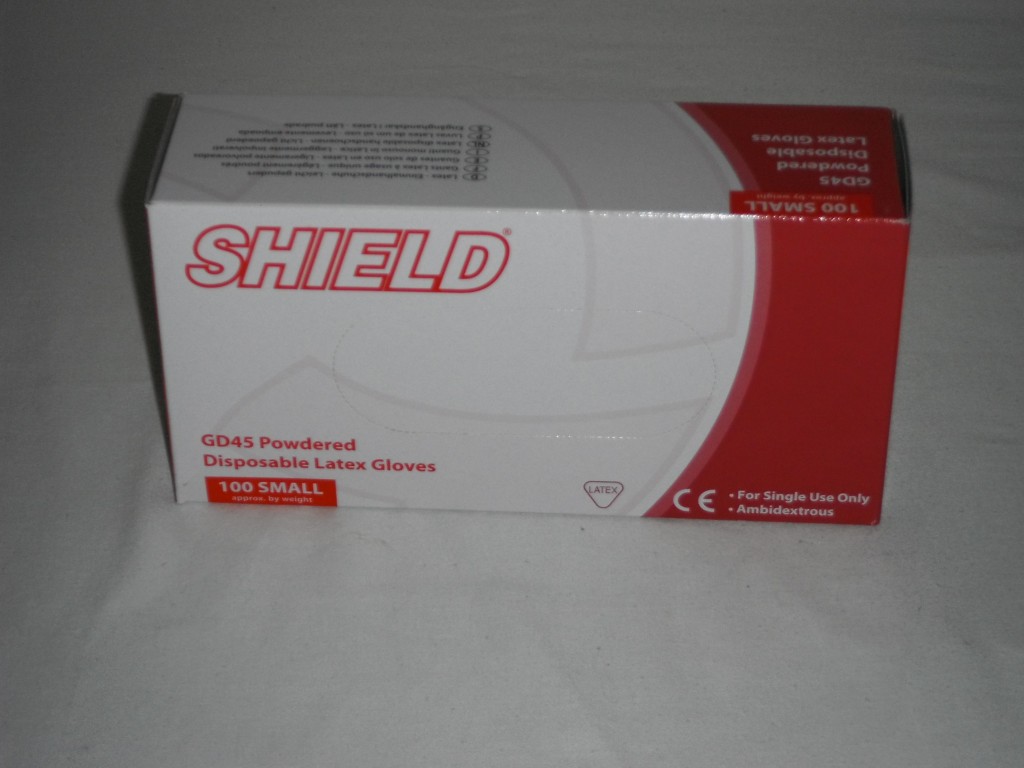
In the workplace, employees share common goals, vision, mission and even the air they breathe. This is the reason why controlling infectious disease should be a priority. Our office maintenance crew is among the most vulnerable people to germ infection. They clean our office premises, empty the rubbish bins, maintain the rest rooms, dust the working areas and in many cases, prepare food. Needless to say, they also carry the germs around if they do not work protected. The good news is stopping the spread of germs in the workplace is as easy as requiring them to wear gloves.
Gloves should be used by the janitorial staff when cleaning and handling chemicals or cleaning agents. They do not only protect other employees in the office, but most especially themselves. For just a minimum investment on gloves, both the company and the service provider can maximise their workforce and save on health care benefits.
In a hospital or medical environment, gloves coupled with facemasks are of outmost importance.
There are different types of gloves for different needs. Here are some of them.
- Chemical and liquid-resistant gloves.
These types of gloves protect the hands from specific chemicals. They also come in different varieties.
- Nitrile rubber gloves protect the hands from chlorinated chemicals. Nitril gloves are also puncture resistant.
- Neoprene gloves are resistant to hydraulic fluids, alcohols, gasoline and organic acids.
- Natural latex or rubber gloves protect the hands from water solutions or acids, salts, ketons and alkalis.
- Butyl rubber gloves are for workers handling nitric acid, peroxide, hydrochloric acid and sulfuric acid.
- Cotton or fabric gloves may not be strong enough for the rough and sharp materials, but they protect the hands from the abrasions. Coated fabric gloves provide protection against mild chemicals and are adequate for laboratory settings.
- Rubber, plastic or synthetic gloves may be used with dealing with oils, solvents and mild chemicals.
- Leather gloves also provides defence against cuts, abrasions and moderate heat.
- Aluminised gloves are for welding, furnace and foundry work. They provide protection against cuts and abrasion and act as heat insulators as well.
- Kevlar gloves have a wide range of industrial applications. They are strong, could not be easily damaged by cuts and abrasion and are also resistant to heat and cold.
Specialised gloves may not be necessary for the usual workplace. The important thing that we are emphasising here is the use of protective materials to prevent the spread of germs which cause diseases in our offices and business establishments.
Professional service providers have expertise in preventing infectious diseases in various establishments. If this is your concern, RPC Cleaning can draw up a cleanliness and disease prevention plan for your establishment. When you are in London (Chiswick) why not pop into our shop or visit our website for all your janitorial cleaning products and accessories?
Call us on 020 8994 4778 or visit 201 Acton Lane, Chiswick, London, UK, W4 5DA
 LATEST BLOG POSTS